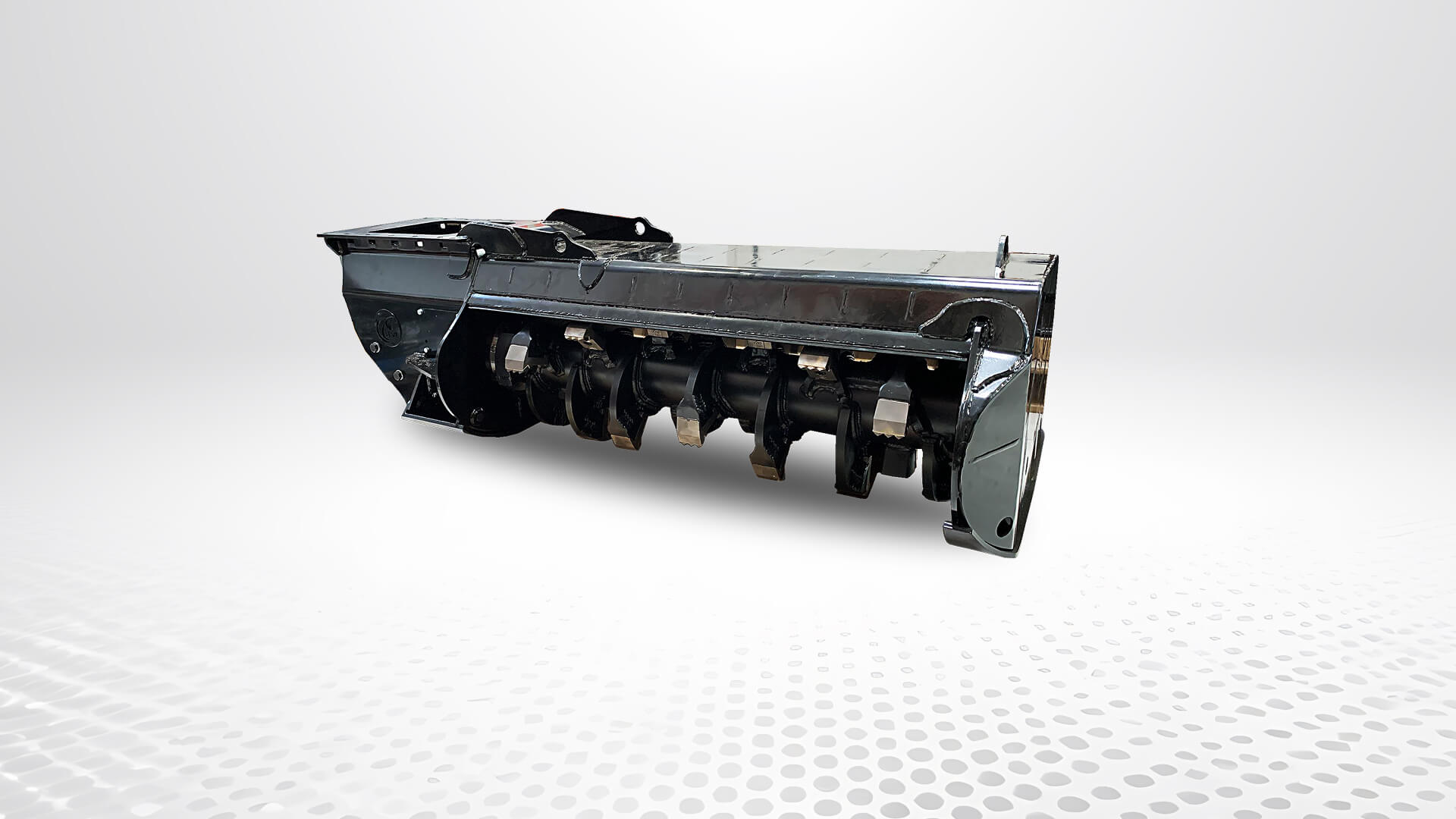
When it comes to land management, the choice of machinery can significantly impact efficiency, costs, and outcomes. Among the various tools available for tasks such as forestry mulching, brush cutting, and vegetation management, tractor mulchers and excavator mulchers stand out. Each type of equipment has its unique strengths and weaknesses, making it essential for operators to understand which option aligns best with their specific needs.
Understanding the Equipment
Before diving into comparisons, it is crucial to grasp what each machine offers. Tractor mulchers are typically attached to tractors and are designed for a range of land clearing applications, including lot clearing and right-of-way maintenance. They operate on a straightforward principle: the tractor powers the mulching head that grinds vegetation into mulch.
Excavator mulchers, on the other hand, are mounted on excavators. This configuration allows for greater maneuverability in tight spaces and uneven terrains. The attachment often boasts a more robust build designed to handle tougher materials like thick brush or small trees. Both types serve similar purposes—land clearing and vegetation management—but they do so in different ways.
Key Considerations
Choosing between a tractor mulcher and an excavator mulcher involves several factors:
Work Environment
The terrain plays an essential role in determining which machine is more suitable. For flat or open areas with minimal obstacles, tractor mulchers can be incredibly effective. Their ability to cover large swathes of land quickly makes them ideal for projects that require efficient clearing.
Conversely, excavator mulchers excel in rugged terrains or densely wooded areas where precision work is required. Their hydraulic capabilities allow operators to navigate steep hillsides or uneven ground more easily than tractors could manage.
Material Type
The type of vegetation being cleared also buy Spidermax chipper influences equipment choice. If the project involves primarily grasslands or light brush, a tractor mulcher may suffice. However, when faced with denser materials—like larger shrubs or small trees—an excavator with a dedicated mulching attachment proves its worth by handling tougher jobs without straining the machine.
Cost Implications
Cost is always a consideration in any project involving heavy machinery. Tractor mulchers generally have lower rental or purchase costs compared to excavator-mounted options because they utilize less complex technology and infrastructure. However, operating costs should also be factored into the equation; while tractor mulchers may be cheaper initially, they might not perform as well under certain conditions compared to their excavator counterparts.
Conversely, while excavator mulchers may incur higher upfront expenses, their versatility can lead to long-term savings through increased operational efficiency on challenging projects.
Maintenance Needs
Maintenance requirements vary significantly between these two types of equipment. Typically, tractor mulchers are simpler machines with fewer moving parts requiring less frequent servicing. This ease of maintenance can make them appealing for smaller operators who rely heavily on uptime.
Excavator systems involve more complexity due to their hydraulic components and attachments. While they offer enhanced performance capabilities, this complexity necessitates more regular maintenance checks and repairs.
Pros and Cons at a Glance
Understanding the advantages and drawbacks of each type contributes significantly to making informed decisions:
Tractor Mulcher Pros
- Lower initial investment compared to excavators. Simpler design often results in easier maintenance. Efficient for flat terrains and lighter vegetation. Can cover large areas relatively quickly.
Tractor Mulcher Cons
- May struggle with heavier brush or dense woods. Limited maneuverability in tight spaces. Not as versatile for rugged terrains.
Excavator Mulcher Pros
spidermaxusa.com machine mulcher- Superior precision in difficult landscapes. Capable of handling tougher materials effectively. Greater flexibility with positioning due to hydraulic arms. Ideal for challenging job sites requiring finesse.
Excavator Mulcher Cons
- Higher initial cost for purchase or rental. More complex maintenance requirements. Slower coverage speed compared to tractors on open land.
Real-world Applications
To contextualize these differences further, consider specific scenarios where one might outperform the other:
Lot Clearing: A contractor tasked with removing underbrush from a residential development site may find that a tractor mulcher efficiently clears the area due to flat terrain and light growth.
Right-of-Way Maintenance: Utility companies often face situations where access roads are narrow or obstructed by dense foliage—here an excavator equipped with a mulching attachment can navigate through tight spots while effectively managing thicker vegetation.
Wildfire Mitigation: In efforts aimed at fuel reduction strategies within forested regions prone to wildfires, both machines can play significant roles; however, excavators might offer better performance when working around existing structures under challenging conditions.
Habitat Restoration: When restoring natural habitats after disturbances like logging activities or invasive species removal efforts are necessary; an excavator’s precision allows it to tackle sensitive areas without damaging surrounding ecosystems.
Site Preparation: For new construction projects needing comprehensive site preparation—including stump grinding—the choice between these two machines will depend heavily on site specifics like topography and material density requirements.
Operator Skill Levels
Beyond technical specifications lies another layer influencing equipment choice: operator skill levels matter greatly when selecting between these machines. While both types come equipped with user-friendly controls nowadays—enhancing accessibility—a seasoned operator will maximize productivity regardless of equipment used.
Excavators require a bit more finesse in operation due primarily to their hydraulic functionalities; thus operators must possess specialized training or experience operating such machinery effectively before embarking on ambitious landscaping projects involving this type of attachment.
On the other hand, many workers can adapt quickly when using tractor-mounted tools given their intuitive setups—making them attractive options during busy seasons where labor availability may fluctuate across various sectors engaged in outdoor work environments such as agriculture or landscaping service firms managing multiple contracts simultaneously throughout each cycle year-round!
Future Trends
As land management practices continue evolving with advances in technology—including improvements seen within both tractor-mounted units alongside newer models becoming available—it’s worthwhile noting trends shaping future operations focused around eco-friendly initiatives too!
For example:
Electric Models: As environmental concerns rise globally regarding emissions from traditional fossil fuel-based engines powering heavy machinery like tractors/excavators alike; companies have begun investing resources towards developing fully electric versions promising reduced carbon footprints alongside quieter operations beneficially impacting wildlife habitats during restoration efforts too!
Smart Technology Integration: Innovations integrating GPS tracking systems combined with real-time data analytics could optimize operations further ensuring maximized efficiencies maintained throughout various stages involved within land-clearing programs undertaken regularly across diverse sectors ranging from forestry management agencies through community-based organizations focused solely upon habitat preservation initiatives benefiting biodiversity overall!
Enhanced Durability Materials: The demand for improved durability amongst components utilized within both types (including carbide teeth attachments designed specifically meant withstand rigorous tasks) remains high given ever-increasing pressures exerted upon contractors compelled tackle larger-scale projects demanding utmost reliability performance-wise throughout durations carried along given seasonal variations influencing weather patterns recognized commonly across regions experiencing fluctuating climates seasonally affecting productivity levels endured over prolonged periods encountered regularly!
In summary; while no single solution fits all scenarios perfectly thanks largely differing contexts surrounding individual projects undertaken—gaining insights into respective pros/cons associated alongside thorough evaluations concerning distinct variables impacting decision-making processes ultimately lead towards successful outcomes achieved ultimately desired objectives prioritized when managing landscapes efficiently sustainably moving forward!